
Let's be honest: the Web3 space has been plagued by hype, speculation, and projects that prioritized token prices over actual utility. But beneath the noise, something genuinely transformative is happening. Enterprise-grade blockchain applications are solving real problems — and the GCC is emerging as a global leader in practical Web3 adoption.
Separating Signal from Noise
The Web3 technologies that matter for enterprises aren't about cryptocurrency speculation. They're about three fundamental capabilities:
Verifiable Trust — The ability to prove that data hasn't been tampered with, without relying on a single trusted party.
Programmable Agreements — Smart contracts that automatically execute when conditions are met, eliminating manual processes and disputes.
Tokenized Assets — The ability to represent real-world assets (real estate, commodities, securities) as digital tokens that can be traded, fractionalized, and settled instantly.
Enterprise Use Cases That Are Working Today
Supply Chain Provenance
In a region where trade flows connect Asia, Europe, and Africa, supply chain integrity is critical. Blockchain-based provenance systems are already being used to track goods from origin to destination with immutable records, verify authenticity of luxury goods and pharmaceuticals, automate customs documentation and compliance, and reduce trade finance processing from days to hours.
The Abu Dhabi Digital Authority and Dubai's DMCC have both launched blockchain-based trade platforms that are processing real transactions today.
Real Estate Tokenization
The GCC real estate market is worth over $2 trillion. Tokenization is opening this market to a global investor base by enabling fractional ownership of premium properties, instant settlement of property transactions, automated rental income distribution via smart contracts, and 24/7 trading of real estate tokens on regulated exchanges.
Dubai's VARA (Virtual Assets Regulatory Authority) has created one of the world's most comprehensive regulatory frameworks for tokenized assets, giving the region a significant first-mover advantage.
Digital Identity & KYC
Know Your Customer (KYC) processes cost financial institutions billions annually, with customers repeating the same verification across multiple providers. Blockchain-based digital identity solutions enable verified-once, used-everywhere identity credentials, customer-controlled data sharing (you decide who sees what), cross-border identity verification that works across jurisdictions, and dramatic reduction in KYC costs and onboarding time.
The UAE's digital identity infrastructure is among the most advanced globally, providing a natural foundation for blockchain-based identity solutions.
Government Services
Both the UAE and Saudi Arabia are integrating blockchain into government operations. The UAE's Emirates Blockchain Strategy 2021 aimed to transfer 50% of government transactions to blockchain. Saudi Arabia's NEOM is being designed with blockchain infrastructure built in from day one.
The Regulatory Advantage
What makes the GCC unique in the Web3 space is regulatory clarity. While the US and EU are still debating frameworks, the UAE has established VARA as a dedicated virtual assets regulator, Abu Dhabi Global Market has created a comprehensive digital assets framework, Saudi Arabia is developing its own regulatory approach aligned with Vision 2030, and Bahrain's Central Bank was one of the first in the world to regulate crypto assets.
This regulatory clarity gives enterprises the confidence to invest in Web3 infrastructure, knowing the rules of the game.
Implementation Considerations
For enterprises exploring Web3, the key considerations are choosing the right blockchain (public vs. private vs. hybrid), ensuring interoperability with existing systems, building internal expertise and governance frameworks, and starting with use cases where the trust/transparency benefits are clear.
The Path Forward
Web3 in the enterprise isn't about replacing everything with blockchain. It's about identifying the specific processes where decentralized trust, programmable agreements, and tokenized assets create measurable value. The GCC's combination of regulatory clarity, government support, and strategic ambition makes it one of the best places in the world to build enterprise Web3 solutions.
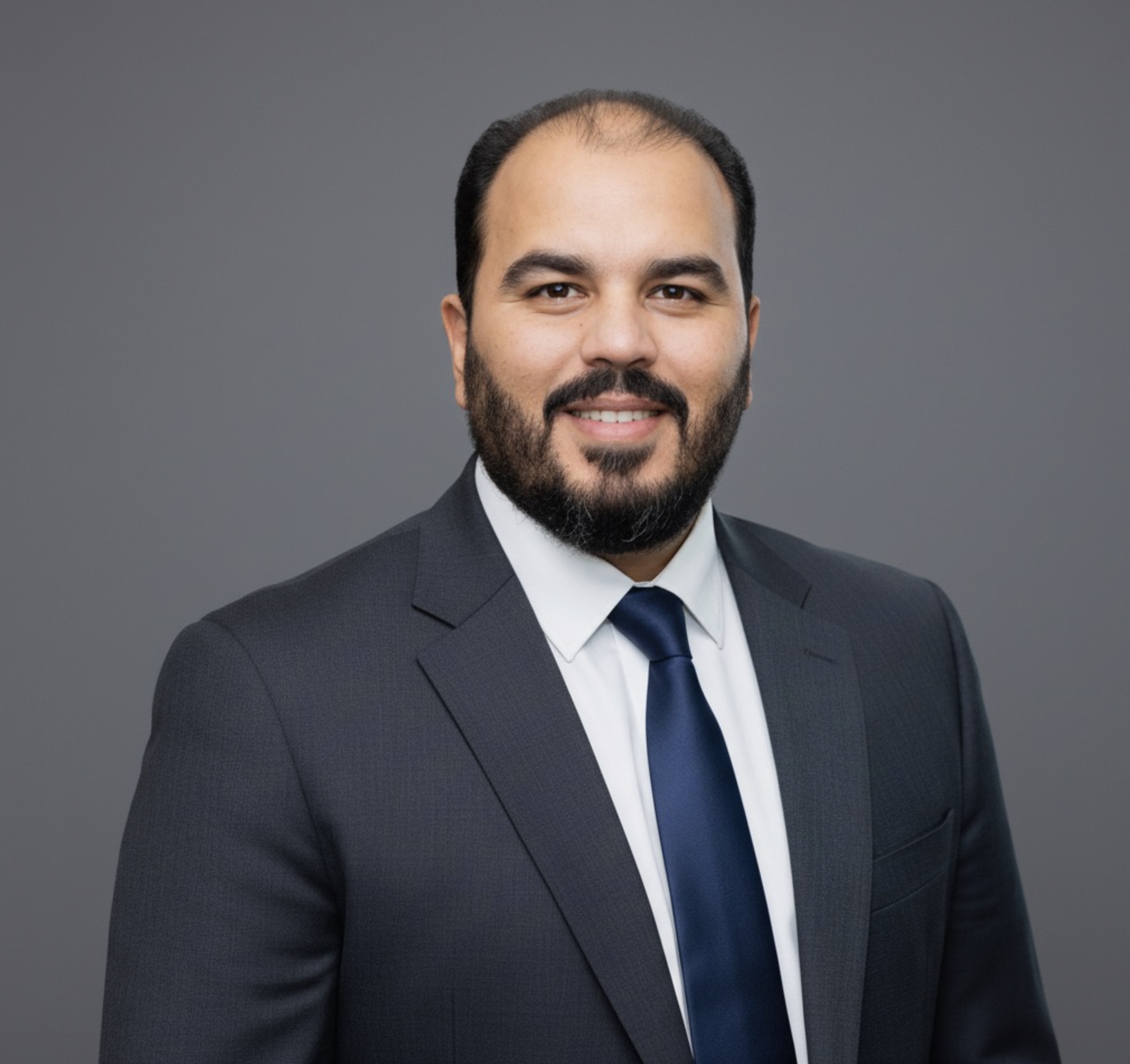
Mohamed Elnahas is a digital transformation strategist and technology consultant with 20+ years of experience. He advises enterprises across the GCC on Web3, blockchain, and emerging technology strategy through Bridges.